Planting Knowledge: Reflections on Restoration
A note from VLT:
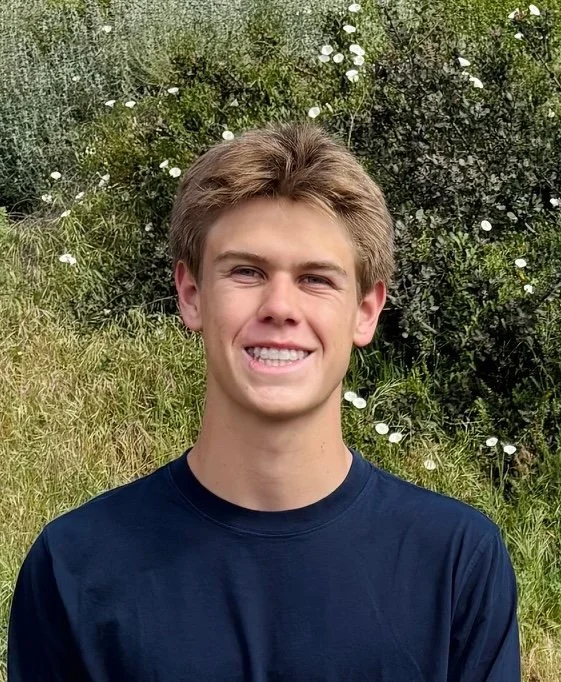
Chase Gray, a Ventura High School student, was a finalist for the John Broesamle Local Hero Award, which recognizes young leaders making a meaningful impact in their local watersheds. Through his “Planting Knowledge” project, Chase combined education and action by leading classroom presentations and hands-on field experiences in partnership with Ventura Land Trust.
His work introduced fellow high school students to the importance of restoring the health of our watersheds. By bringing students into the field to apply their learning, Chase’s project fostered both ecological understanding and a deeper sense of stewardship.
Below are Chase’s reflections from his time leading this project with Ventura Land Trust:
——————————————————————————————————————————
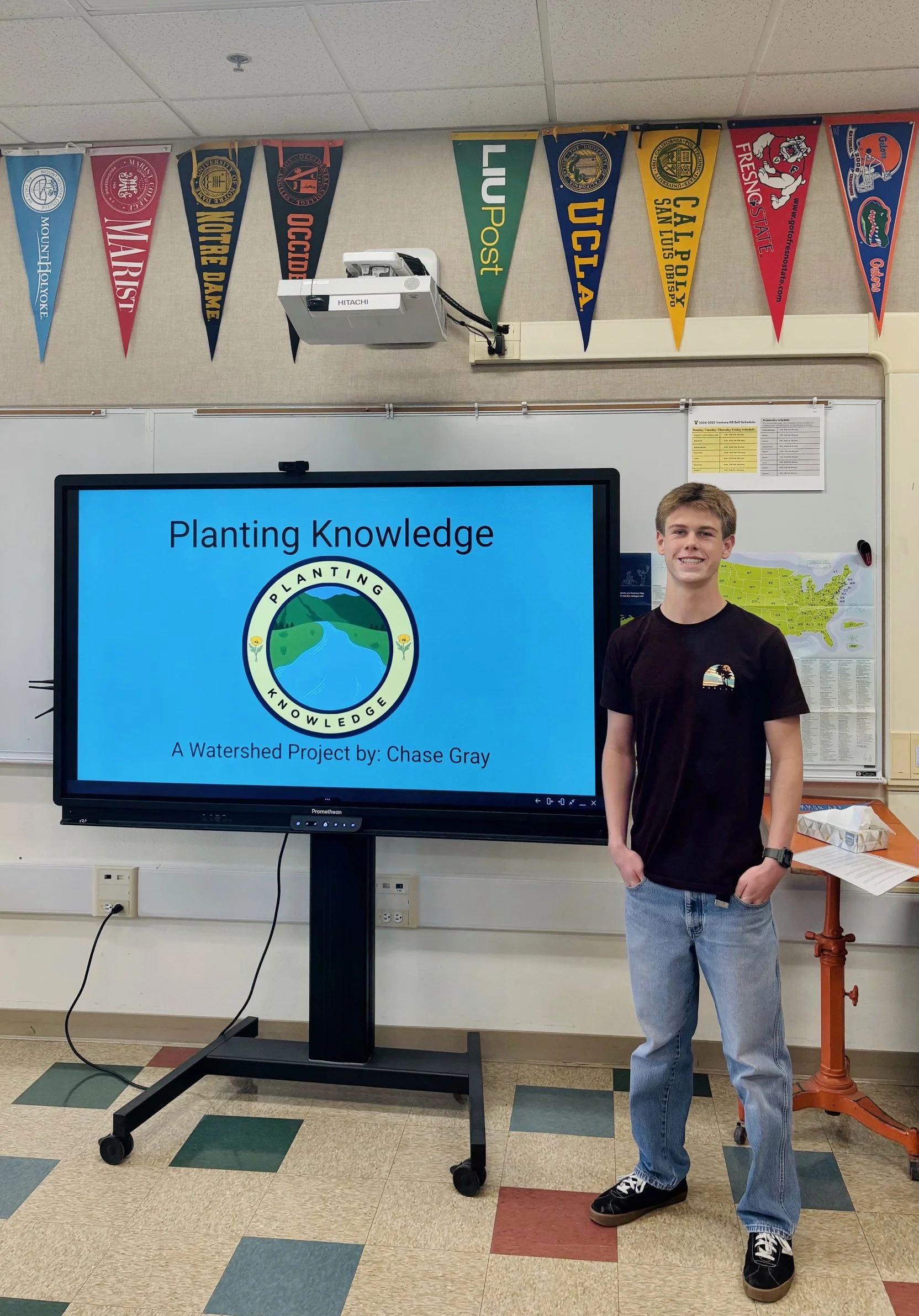
My watershed restoration project, Planting Knowledge, combines education and hands-on field events to make a difference in the health of our local watershed. My project went really well and has been rewarding in so many ways. I am thankful that I was able to partner with Ventura Land Trust and learn from their specialists about our local watershed and issues that the land here faces. I now have a better understanding of how much work there is to be done and that knowledge has made me want to be even more involved and to encourage my peers to do the same. I feel confident that my project had an impact on watershed health through the three field events. I also think that I was able to inspire a lot of high school students during my classroom presentations and helped to encourage them to take action in the watershed. My project exposed students to environmental topics and opportunities that they wouldn’t have had otherwise.
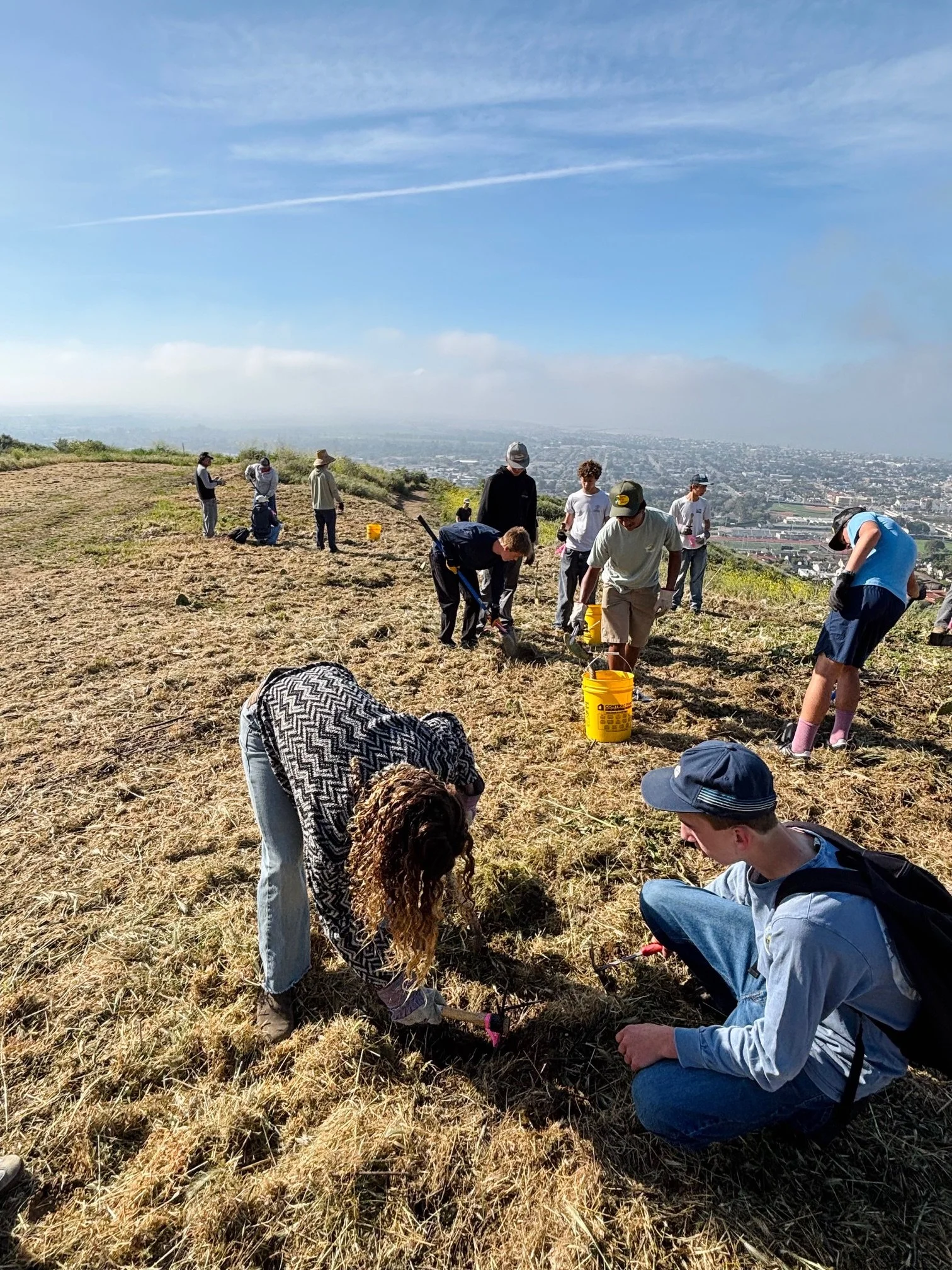
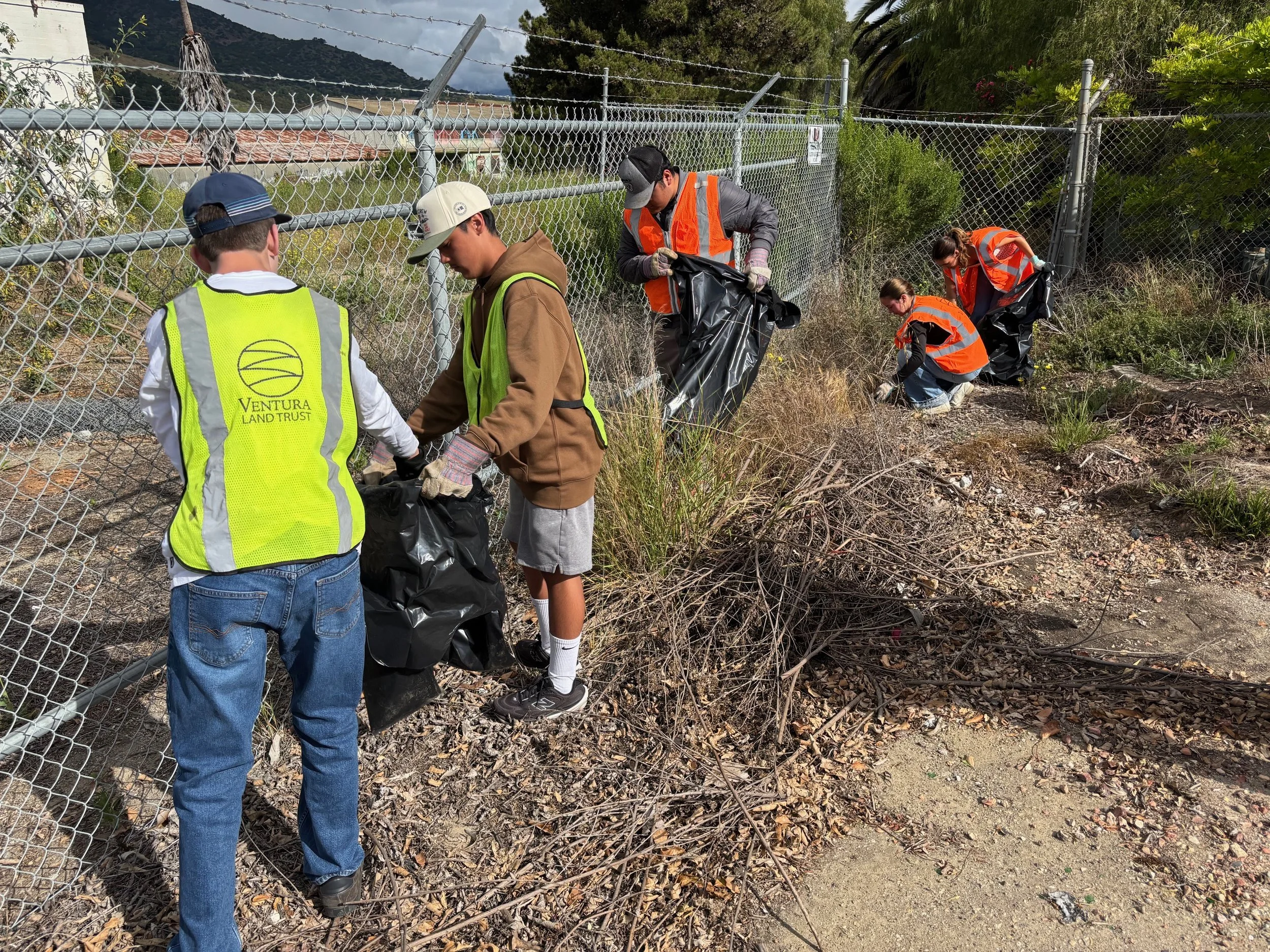
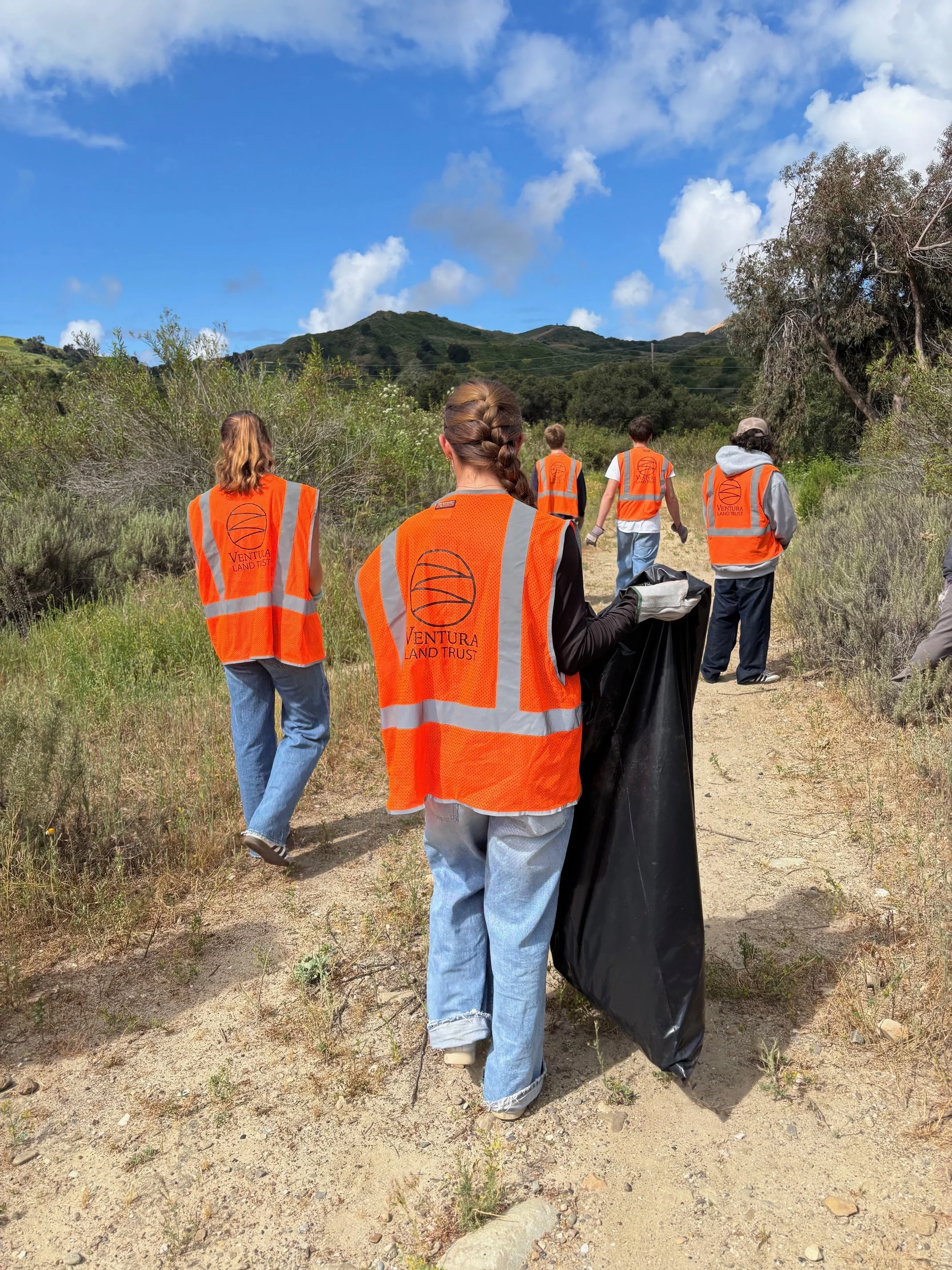
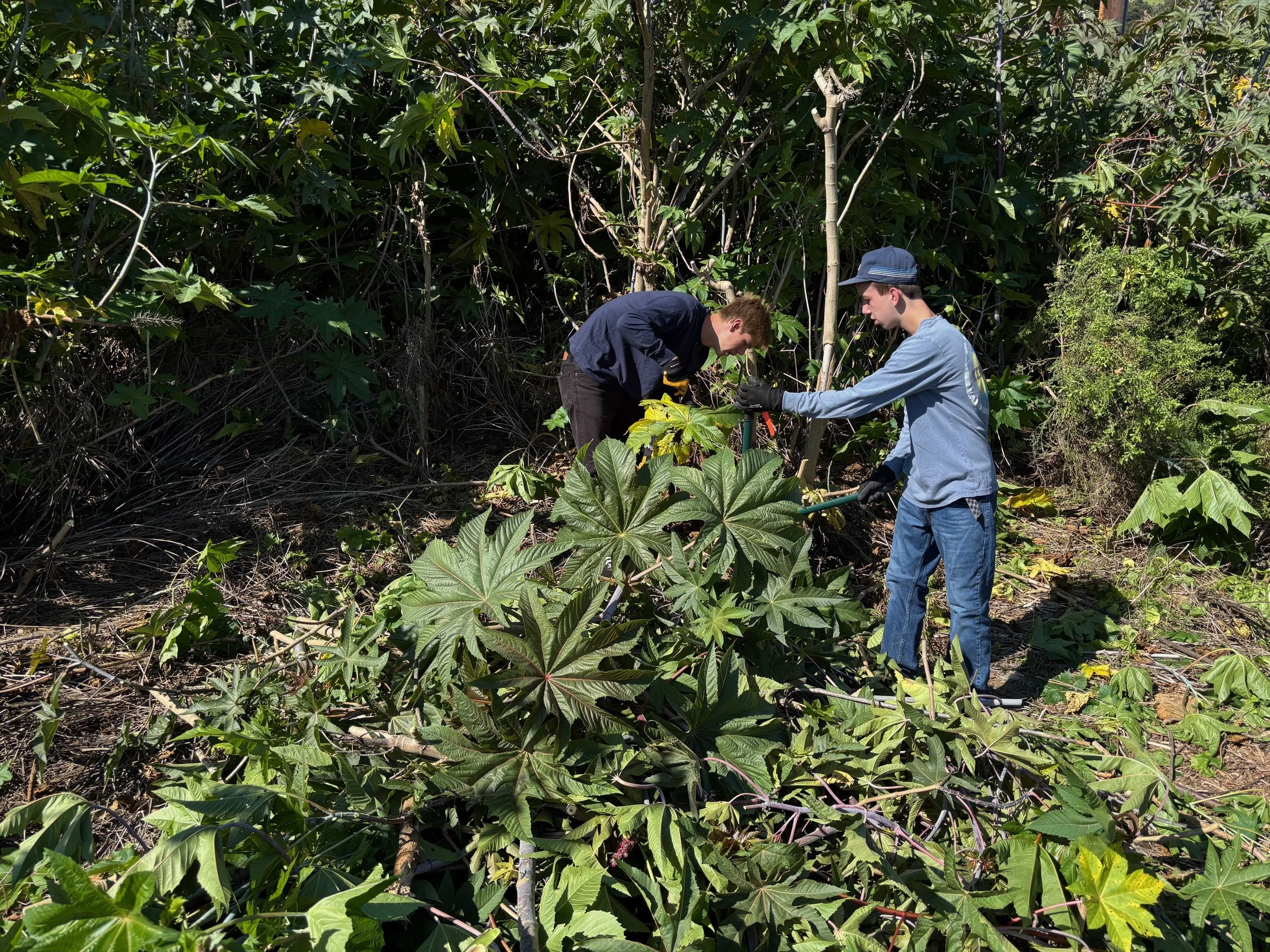
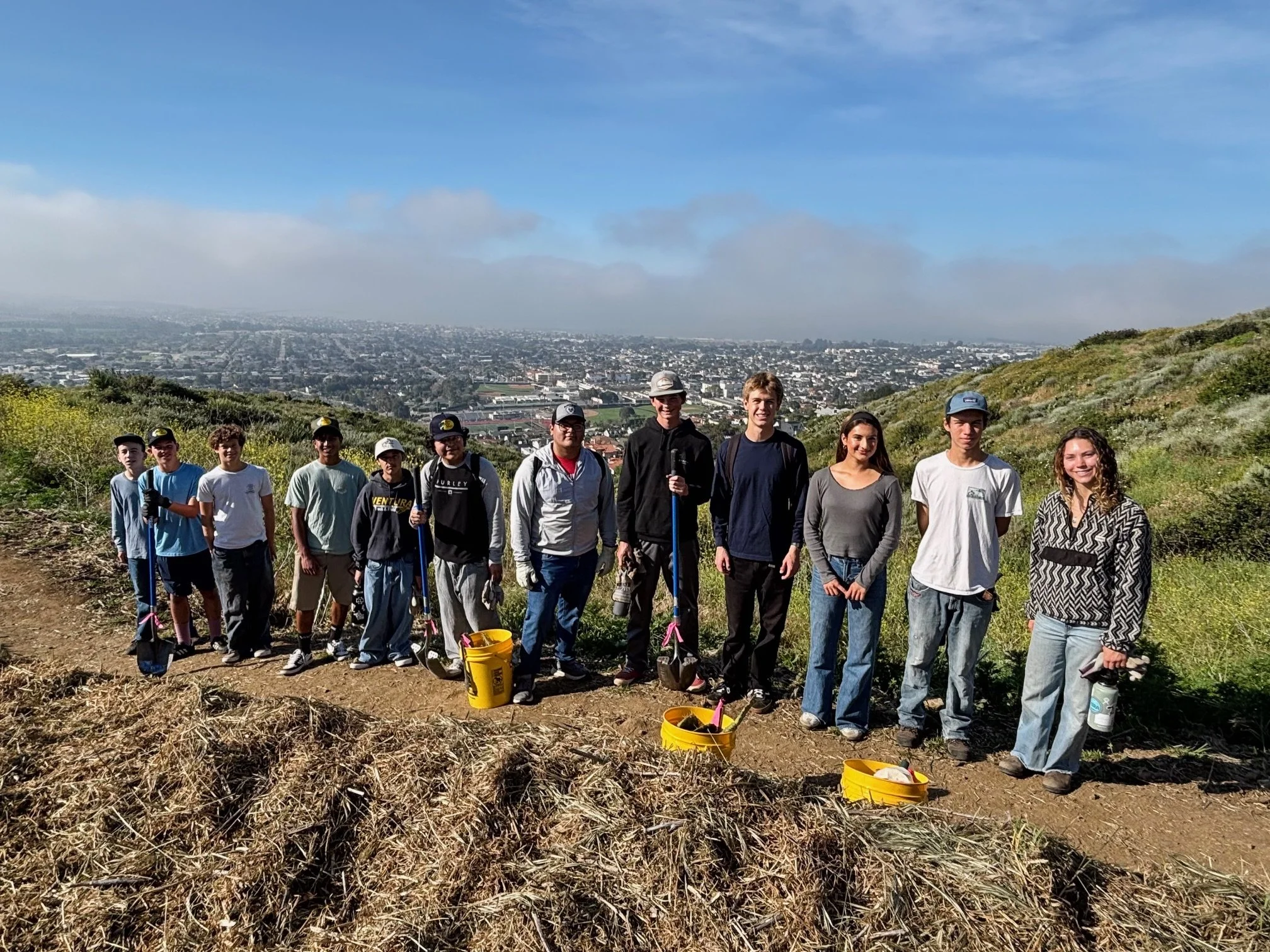
My project began with classroom and club presentations across 5 local high schools. My presentation goal was to educate students about watersheds and to help them understand the role that native plants and invasives play in maintaining ecosystem balance. The information learned during the watershed presentations was then applied through three separate field events: active restoration by planting native opuntia littoralis cacti on the Ventura Hills Nature Preserve; removing invasive castor bean plants along the Ventura River; and passive restoration during a Ventura River watershed clean-up event. These three field events directly contributed to improving the overall health of our watershed.
It is important for youth to get involved in their community because even though they might sometimes be overlooked as valuable contributors, it is essential for youth to start to understand the environmental challenges that we face that will directly impact our future. Having field events helped students see that they can make a positive difference and also brought them together for focused goals.
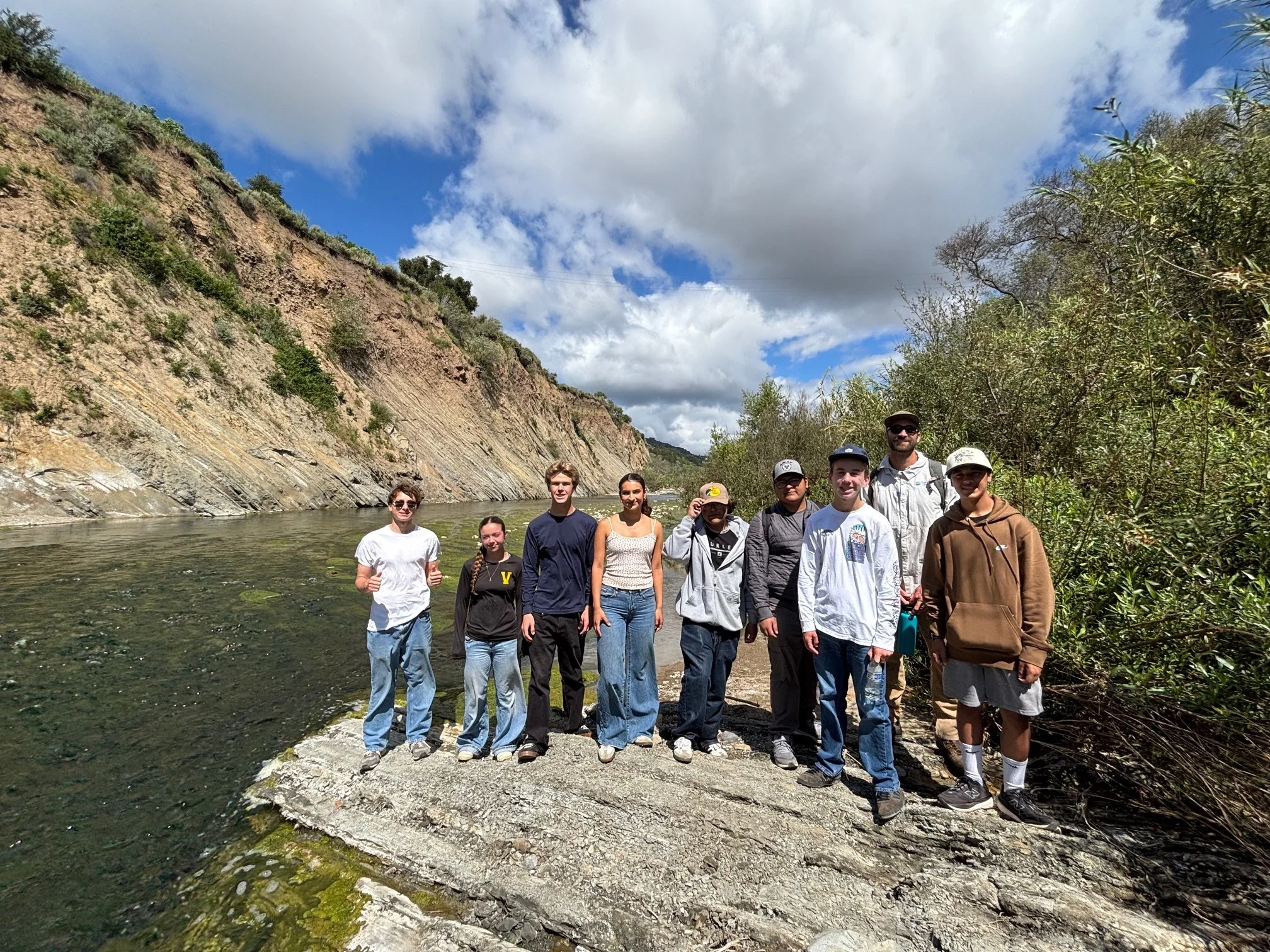
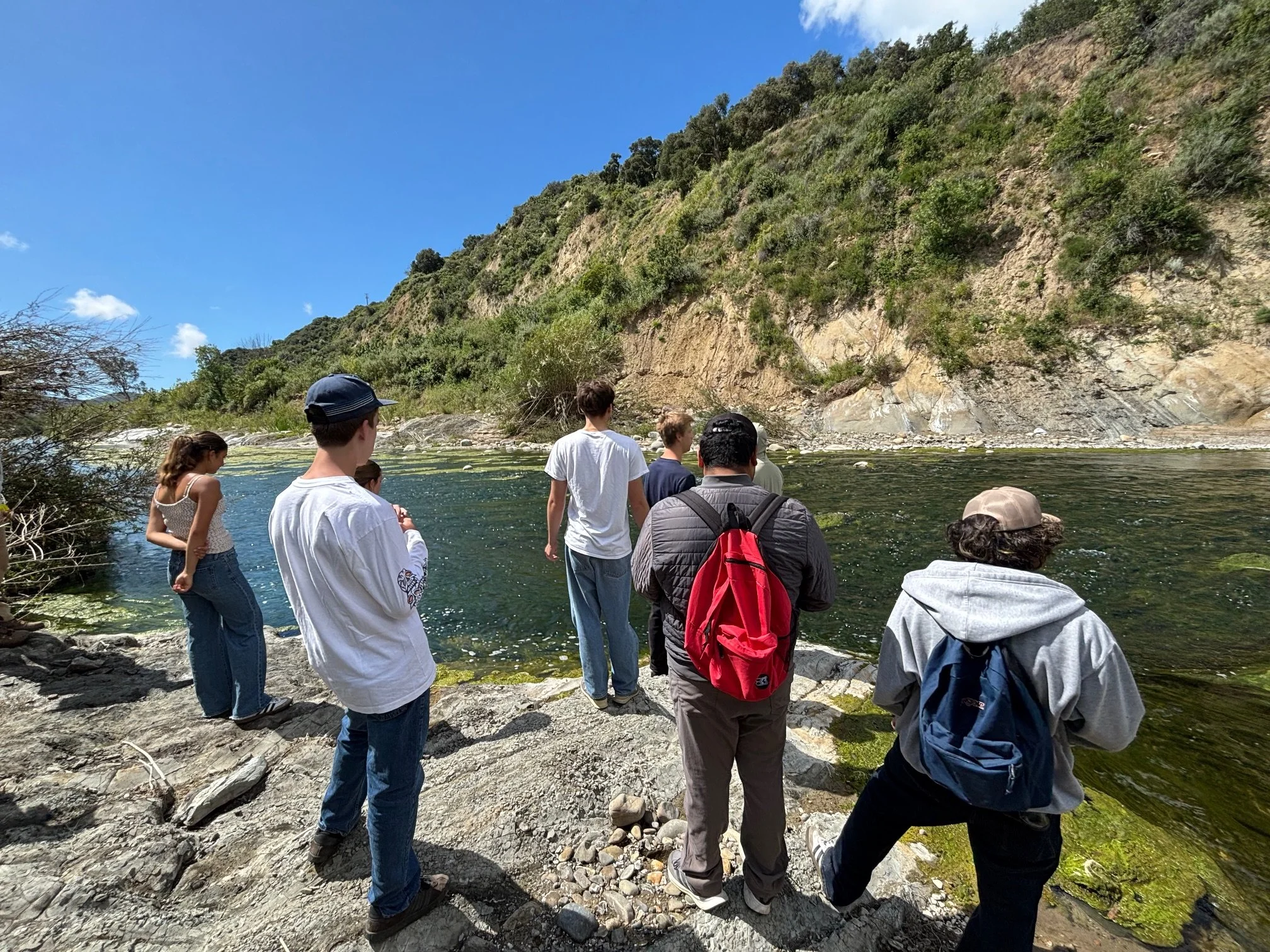
Feedback from students that participated in my project showed that planting native opuntia littoralis cacti on the Ventura Hills Nature Preserve was a definite highlight. Not only was that event rewarding to see all the baby cacti we planted, but we could see the beautiful landscape of the VHNP with amazing views while learning about native species and identifying some invasive plants too. Another favorite part of the project was seeing the immediate results-the visual impact. At the invasive species removal, we saw all of the castor bean plants sorted in huge piles; and at the watershed clean-up, we saw all of the bags of trash we collected. For me, my favorite part of the project was when we were right on the edge of the Ventura River and could reflect on the work we had done throughout the events while listening to the flow of the water. Being present in nature and knowing we were taking steps towards improving the overall health of the watershed was gratifying.
This project has helped improve my leadership skills as well as my organizational skills for event planning. I learned that it takes a lot of work to bring people together for a cause and that educating and explaining the issue behind the cause is essential. Having education combined with action, was the best way to inspire students and ensure they will want to continue to learn and help with watershed restoration. I feel confident and excited that after participating in my project, Planting Knowledge, there are many future watershed stewards.